Authentic Greek Salad Recipe: 7 Best Secrets for a Taste of the Aegean
- 09 May 2026
Quick Summary: The Village Salad
- An authentic greek salad recipe, known as Horiatiki, never contains lettuce.
- Feta cheese should be served as a whole block on top, never crumbled or cubed beforehand.
- Kalamata olives and high-quality Greek extra virgin olive oil are non-negotiable for flavor.
- This salad is a cornerstone of the Mediterranean diet, celebrated for its heart-health benefits.
To experience an authentic greek salad recipe is to taste the sunshine and the sea of the Mediterranean. Known in Greece as "Horiatiki" or "Village Salad," this dish is a masterclass in using high-quality, seasonal ingredients to create something far greater than the sum of its parts. In 2026, as we seek out more traditional and less processed ways of eating, the authentic greek salad recipe stands as a beacon of simplicity and health. This guide will walk you through the seven best secrets to ensuring your Greek salad is as genuine as one served in a taverna on the shores of Santorini.
The Philosophy of Horiatiki
In Greece, food is about connection and tradition. The authentic greek salad recipe was born from the rural kitchen, utilizing whatever was fresh in the garden. It is a rustic, hearty dish designed to accompany a main meal or stand alone as a light lunch with a slice of crusty bread. By following an authentic greek salad recipe, you are honoring a way of life that prioritizes flavor, nutrition, and the joy of sharing a table. Let's explore the specific rules and ingredients that define this iconic Mediterranean treasure.
Table of Contents:
- 1. The No-Lettuce Rule: Keeping it Traditional
- 2. Feta Etiquette: Serving it as a Block
- 3. Kalamata Olives: The Purple Gold of Greece
- 4. Olive Oil and Oregano: The Essential Seasoning
- 5. The Rustic Cut: Size Matters in Horiatiki
- Frequently Asked Questions
1. The First Rule: No Lettuce Allowed
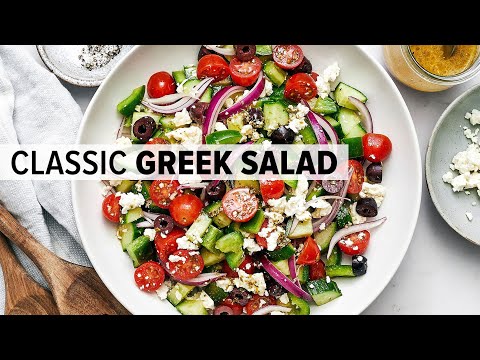
One of the biggest mistakes made in international versions of the authentic greek salad recipe is the inclusion of lettuce. In Greece, Horiatiki is a summer salad, and lettuce is considered a winter green. An authentic greek salad recipe relies solely on the crunch of cucumbers, the juiciness of sun-ripened tomatoes, and the sharpness of green peppers and red onions. By omitting lettuce, you allow the juices of the vegetables to mix with the olive oil, creating a delicious liquid at the bottom of the bowl that is perfect for dipping bread.
2. Feta Etiquette: Do Not Crumble
If you see crumbled feta in your salad, it is not an authentic greek salad recipe. Traditionally, a thick rectangular block of high-quality sheep's milk feta is placed directly on top of the vegetables. This allows each person at the table to break off exactly as much as they want. In 2026, we prioritize PDO (Protected Designation of Origin) Feta from Greece, which ensures the cheese is made according to traditional standards and has that signature tangy, salty profile that defines the authentic greek salad recipe.
3. Kalamata Olives: The Authentic Choice
The olives used in an authentic greek salad recipe must be Kalamata. These almond-shaped, deep purple olives have a rich, fruity flavor that is far superior to standard black canned olives. They are typically preserved in red wine vinegar and olive oil, adding a necessary acidic note to the salad. A pro tip for your authentic greek salad recipe: always leave the pits in! It’s a sign of a truly rustic, traditional salad, and pitted olives often lose their firm texture and intensity of flavor.
4. The Seasoning: Olive Oil and Wild Oregano
The "dressing" for an authentic greek salad recipe is incredibly simple: extra virgin olive oil and dried oregano. In Greece, the oregano used is often wild and dried on the branch, giving it a much more potent, earthy aroma than store-bought varieties. Drizzle the oil generously over the feta and the vegetables, and then sprinkle the oregano over everything. In an authentic greek salad recipe, the vinegar usually comes from the olives themselves, so extra vinegar is often unnecessary if your olives are high quality.
5. The Rustic Cut: Embracing Imperfection
An authentic greek salad recipe is not about precise, dainty knife work. The vegetables should be cut into large, chunky pieces. Tomatoes should be cut into uneven wedges, and cucumbers should be peeled in stripes (leaving some skin for texture) and cut into thick half-moons. This rustic approach ensures that the salad remains crunchy and vibrant even after it has sat for a few minutes. This chunky texture is a hallmark of the authentic greek salad recipe, providing a satisfying and substantial mouthfeel in every bite.
FAQ: Perfecting Your Authentic Greek Salad Recipe
Q: Can I use cow's milk feta?
A: For an authentic greek salad recipe, you should always use sheep's milk feta (or a sheep and goat milk blend). Cow's milk "feta-style" cheese is usually too mild and lacks the necessary tang and structure of the real thing.
Q: Should I peel the cucumbers?
A: Yes, but partially. Peeling them in stripes is the traditional look for an authentic greek salad recipe. It provides a nice color contrast and ensures the cucumber is easy to eat while retaining some of its nutritional skin.
Q: What is the best bread to serve with Greek salad?
A: A crusty loaf of sourdough or a traditional Greek village bread is perfect for mopping up the juices (known as "papara") at the bottom of the bowl—a favorite tradition for anyone eating an authentic greek salad recipe.
Q: Is this salad suitable for vegans?
A: An authentic greek salad recipe is easily made vegan by simply omitting the feta cheese. The combination of vegetables, olives, and olive oil is still incredibly flavorful and nutritious on its own.
For more Mediterranean culinary inspiration, visit our Salads section. To learn more about the history of the Mediterranean diet, explore the origins of Horiatiki on Wikipedia.
Watch Gordon Ramsay prepare his version of an authentic Greek salad here: